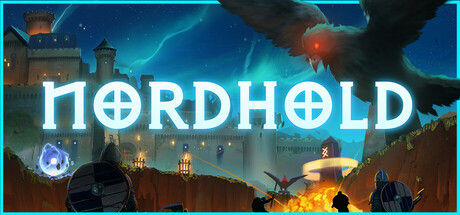
A surprisingly complex tower defense. It has the appeal of the
GemCraft series, but
the mechanics are different. You build your defense towers along a path on
hexagonal terrain and at the same time build up the economy of your village
to provide for more resources to build more towers. The first games you play
are spent on unlocking all the buildings in some kind of meta-game. Once you
have unlocked all the buildings, there is a change to the whole game dynamic
as now you can chase beating the game to level 30, when all hex tiles are
exhausted. After beating level 30, there is the chase of high-scores by getting
your economy and defense good enough to survive wave after wave.
The game could be better, as the first 10 to 15 rounds of a game are mainly about kickstarting your economy, and that slog gets somewhat repetitive. Instead of having to play through these rounds, the game could start you in round 8 (or whatever) with ample resources instead. Otherwise, there is lots of strategy involved combining the right kinds of towers to find synergies. There is the bad luck of drawing bad tiles, but that usually isn't too punishing.
If you like tower defense games, this one is certainly one of the best in the last 5 years.
Tainted Grail - The Fall of Avalon

The game is a quite good RPG. It borrows heavily from Skyrim, Gothic, Morrowind and a bit of the Witcher and Elden Ring, but the mix is quite good.
You start as somebody possessed by King Artus, who wants to regain dominion over Avalon. The island has been taken over by the Red Blight, and the Knights of Kamelot are reigning from afar, not necessarily well. It is a grimdark setting but manages to be not entirely bleak.
Graphics
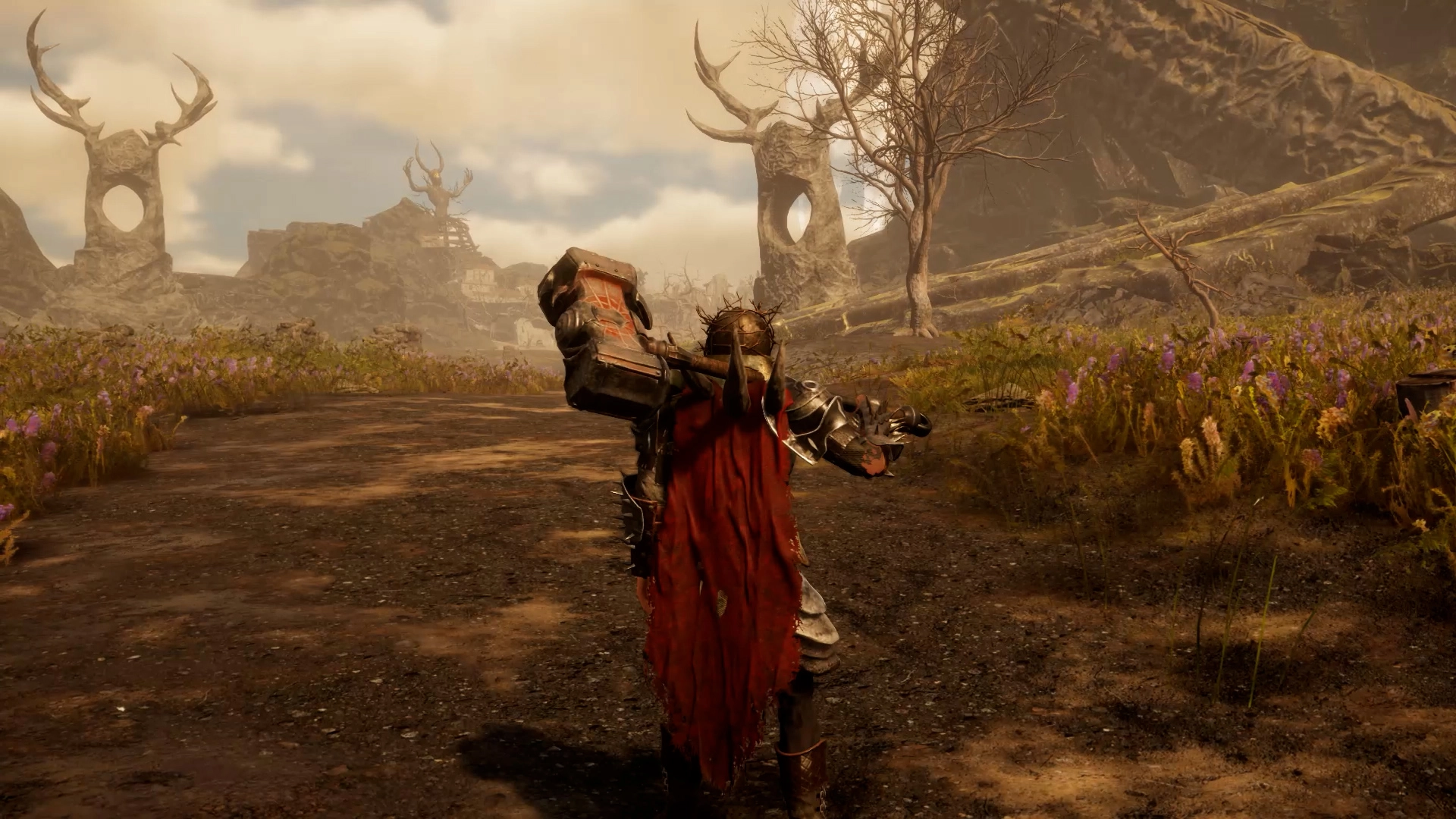
I'm playing this on an old(ish) PC with an Nvidia RTX 1080, with graphics at 1080p and "low" setting. The graphics are still OK. The world feels very handcrafted, and for example some of the ruins feel hand-placed but without much transition from the landscape to the ruin blocks. It strongly reminds me of Gothic in that regard. The general idea of the landscape reminds me of Elden Ring, except that the landscape is more gray and not in the glorious colors of Elden Ring.
World
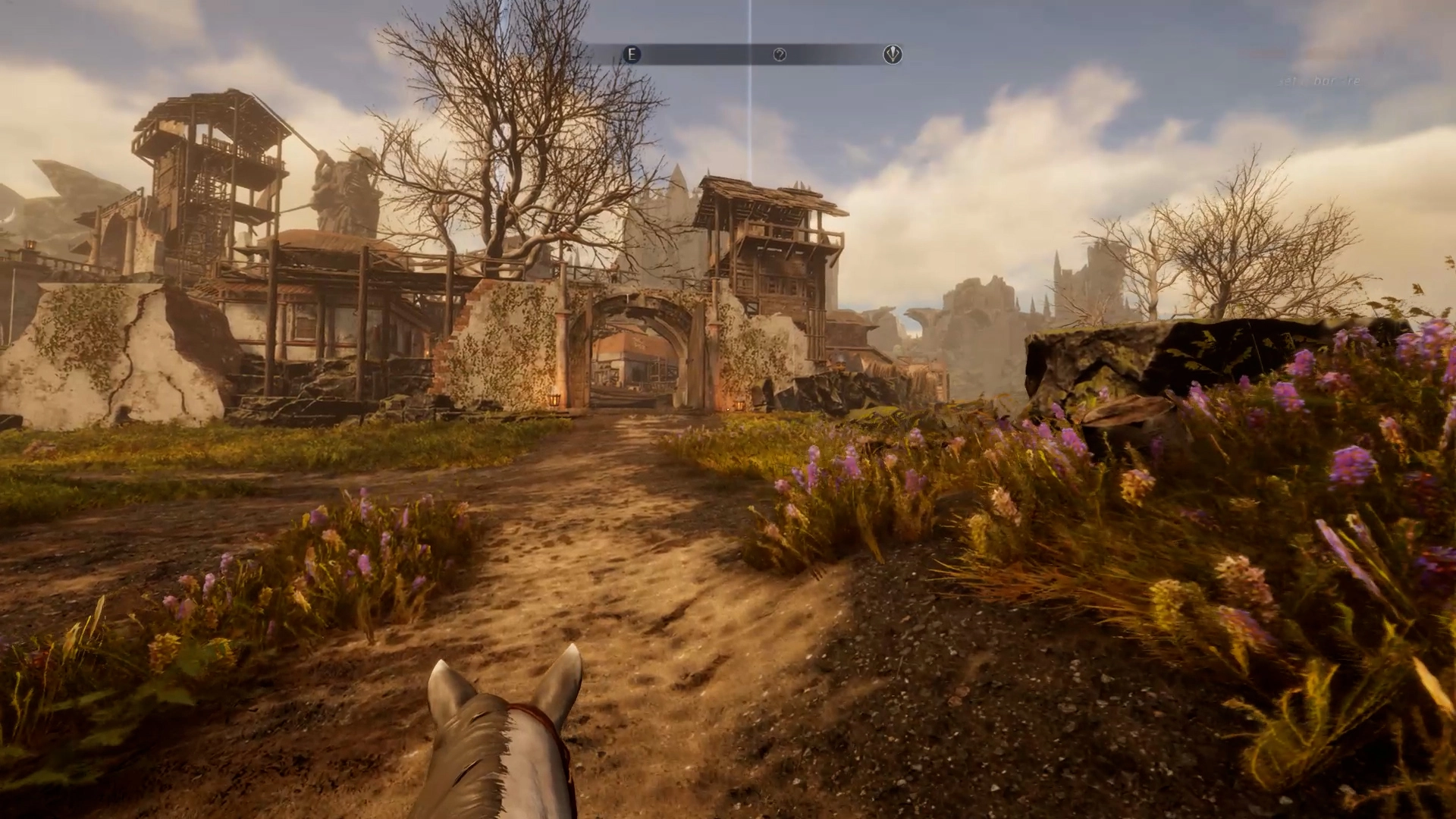
The world is compressed, but still feels believable (for a fantasy RPG open world world). It is not littered with Ubisoft-style
fetch quests and collectibles, and soulless question marks with nothing to explore there. There are some side things to do,
like collecting cooking recipes, collecting ingredients for magic potions, some mild crafting, but it is all for making you a
better fighter, or keeping you alive. The crafting feels very close to Skyrim.
The characters inhabiting the world are grimdark, mostly, but there are also some weird characters and even mild attempts
at comedy. They are not as present as Jaskier in The Witcher, but not having everybody be within the grimdark framework
makes for good entertainment.
Gameplay
The game loop consists of exploring the world, mildly guided by quests, and then selling the loot at merchants, and maybe
crafting new stuff. The skills / leveling are taken from Morrowind, where doing any activity improves your ability in it. So,
cooking a meal slightly improves your general cooking ability. Running around a lot improves your running ability. And
conjuring monsters improves your general magic ability.
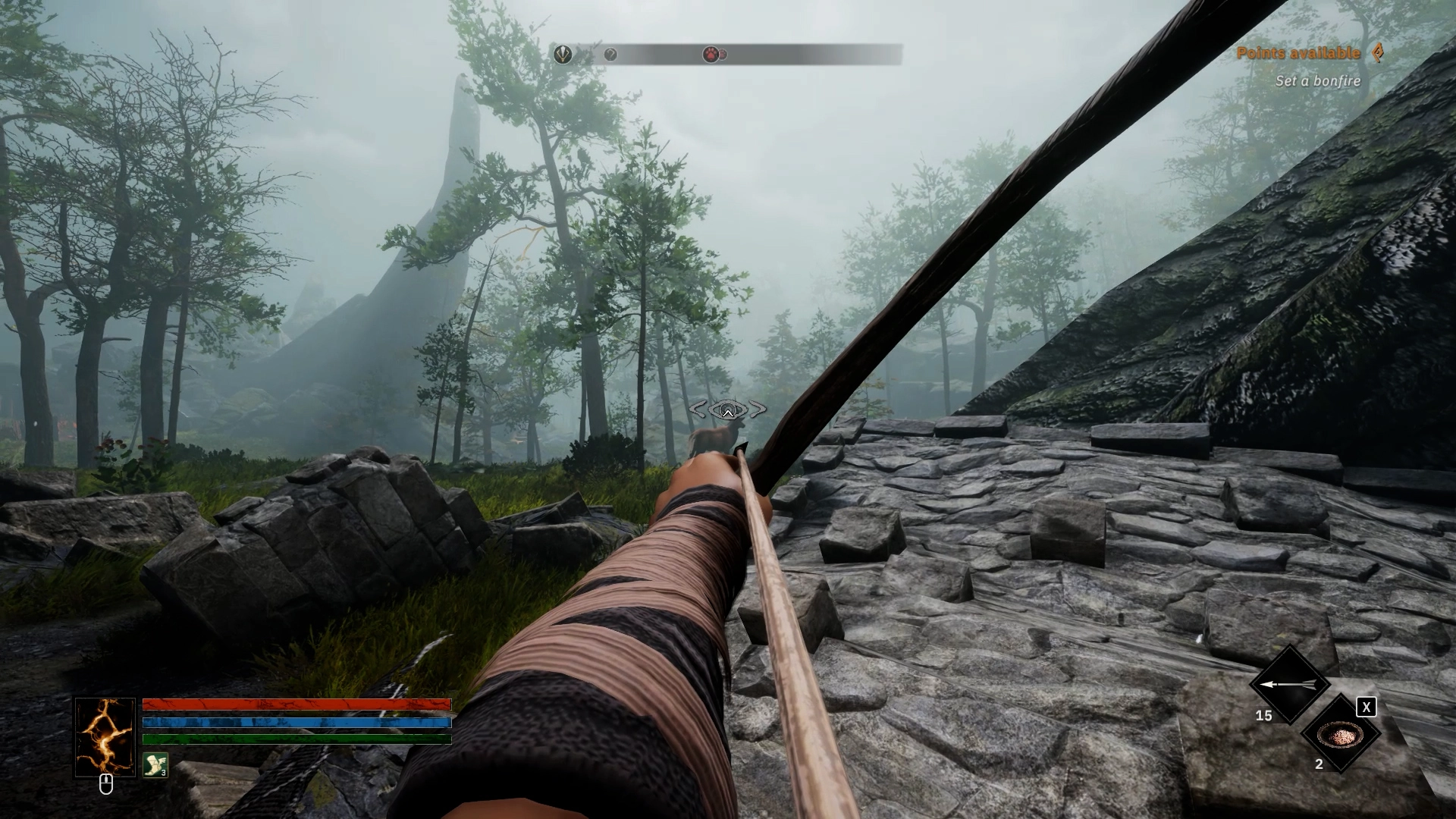
The fighting feels very much like Skyrim, having bow and arrows, magic and close combat. The fighting forces you
to switch weapons more often than Skyrim did, but that adds to the variety.
Story
There are various factions and various side quests that are well-written. There is a lot of (English) voiced dialogue,
which can get tedious at times, but on the other hand, it is spoken well and the voices feel in-character. Even the
side quests have a lot of spoken dialogue and I haven't found a quest without talking yet.
Conclusion
Overall, the game is interesting and touches the right buttons for me. It's
enjoyable to just go through the scenery, finding new caves to explore or
citizens to speak with. I am currently in the first act of the game and already
am overpowered (summoner magicians usually are), but that's fine.

A classic Metroidvania, doing fights and exploring a vast area. They have a really interesting mix of music and bugs as a theme, where the music becomes more and more central throughout the progress of the story.
It's not easy at the start, but it is not super hard either. The difficulty ramps up a lot.
My main gripe is that there is no downwards attack - I kept on jumping / hitting on enemies below me, Super Mario style. That was, until I discovered that Attack+Down actually does a downwards attack.
The first three levels / maps were fairly easy. I'm now close to the second act, but each boss fight needs some training/repetitions to figure out the rhythm of the boss.
Played on:
- PS4
- Windows (Controller really recommended)
Using a Steam Controller with GoG Silksong required launching the game from Steam.
- Steam Deck (Windows GoG version via Heroic)
Getting the Steam Deck controller to work with the Linux version of Silksong failed with the same symptoms as on Windows. Launching the Windows version through Steam -> Heroic -> Silksong worked and also made the controller buttons work. Weirdly enough, this is the version I like most. Both the PS4 version as well as the Windows+Controller version felt not as tight as the Steam Deck
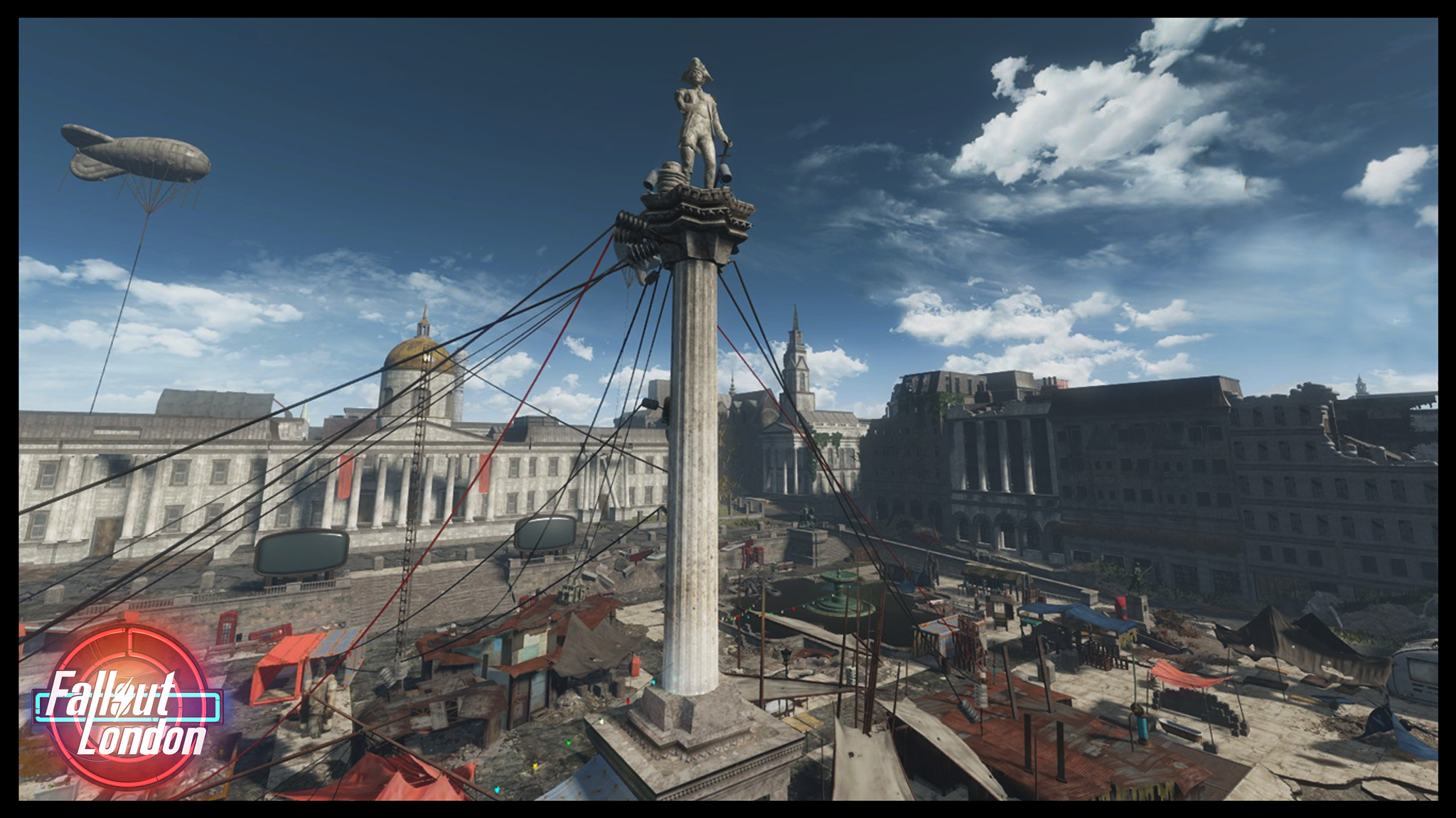
Fallout London is a large, user-made mod for Fallout 4. It reimagines London
as a postapocalyptic place with several factions.
The mod is certainly a labour of love, and the area is vast and promises
interesting setups. Not having played Fallout 4 itself, the whole setting is
far too unpaced for my taste.

The scenery certainly looks great in the screenshots, but I could not muster
the patience to grind through the game to see these parts of the city.
https://www.remedygames.com/games/alan-wake

The game is old, from 2010, and thus isn't as humungous as current games,
and it runs well on current hardware.
The story is OKish, it follows a writer as he discovers he is in his own story,
in a Stephen King / Maine setting. Some darkness takes over people and you have
to fight these.
The gameplay is serviceable as well.
The whole game is made up like a TV series, with distinct chapters and recaps
at the start of each new chapter.
You control Alan Wake from a third-person perspective. The game alternates
between a walking simulator and fights where you have to first burn the
darkness away from creatures and then shoot them with a gun. Often the
creatures come from off-screen behind you, which is not helped by the
close perspective.